The Skill and Knowledge of Aluminum Metal Casting: Approaches for Outstanding Quality
Aluminum metal casting represents a fusion of creative craftsmanship and engineering precision. A thorough knowledge of material characteristics and casting methods is essential to produce superior outcomes. Different techniques, including sand and die casting, address distinct manufacturing requirements, each offering specific benefits and obstacles. When producers strive for superior results, incorporating advanced technologies and rigorous quality control practices proves critical. This examination uncovers the subtle factors that can significantly influence the finished product's effectiveness.
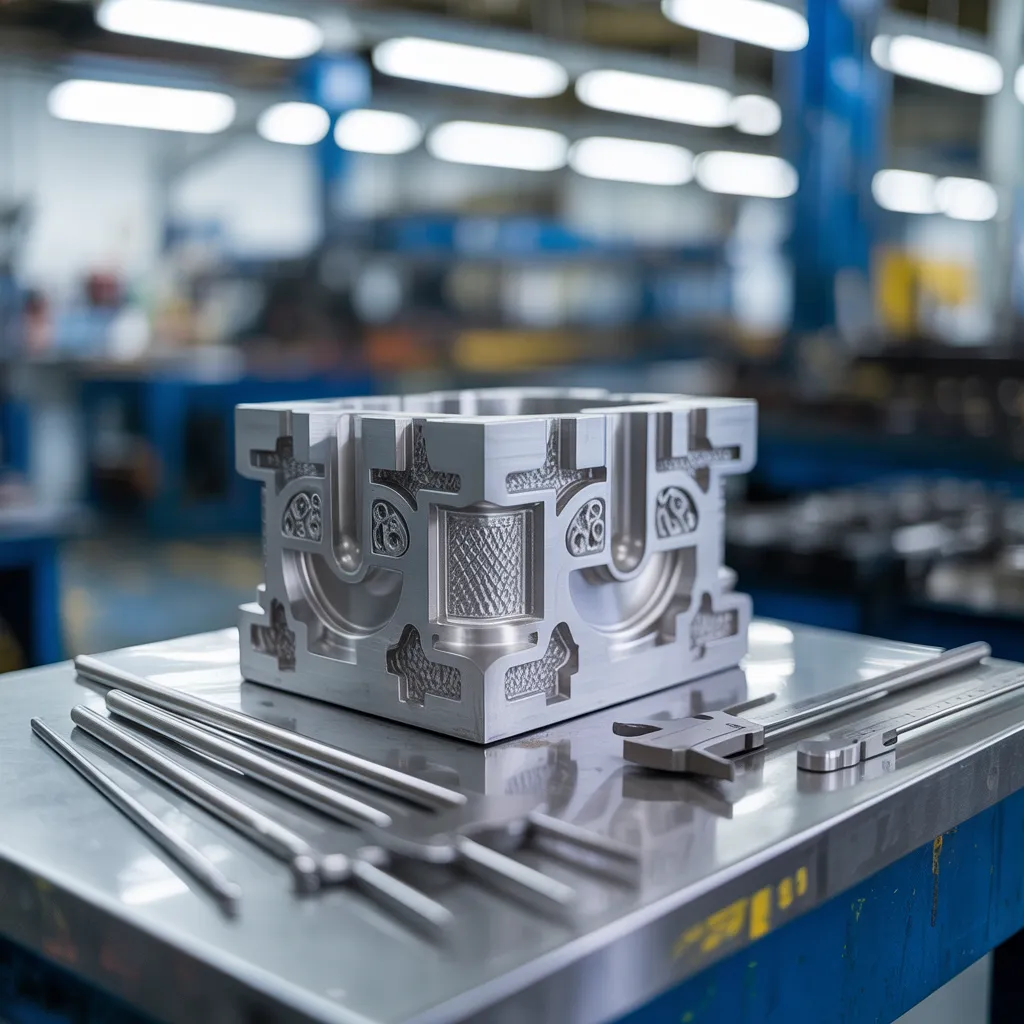
The Essential Elements of Aluminum Metal Casting
Aluminum metal casting acts as a fundamental method in modern manufacturing, enabling the creation of intricate shapes and components. This technique requires pouring molten aluminum into a mold, where it solidifies into the desired form. Aluminum's adaptability supports various applications across industries, from automotive manufacturing to aerospace engineering.
Central to achieving successful casting results is proper mold preparation, which is often crafted from materials such as sand, ceramic, or metal. Each variety of mold presents its own unique benefits, influencing both the surface finish and dimensional accuracy of the end product.
Temperature control is another critical factor; maintaining the proper melting point guarantees ideal fluidity and reduces defects. Moreover, adding alloying elements can strengthen aluminum's mechanical attributes, adapting it for specialized purposes. Grasping these core principles enables manufacturers to utilize aluminum casting efficiently, producing superior, long-lasting components that satisfy rigorous industry requirements.
Analyzing Aluminum Casting Approaches: Benefits and Drawbacks
When assessing aluminum casting processes, each approach demonstrates specific strengths and weaknesses that influence fabrication decisions. The sand casting method, as an example, offers cost-effectiveness and versatility, capable of handling complex shapes, but can lead to reduced dimensional precision and surface quality. Die casting methods, on the other hand, offers high precision and excellent surface quality, making it ideal for mass production. That said, the initial setup costs can be substantial, reducing its suitability for low-volume manufacturing.
Investment casting delivers exceptional detail and a refined surface finish, suitable for intricate designs, though the process is lengthy and may come with increased costs. Furthermore, gravity casting remains a simpler and more affordable method, yet its inability to consistently achieve finer details may be a drawback. In conclusion, choosing the right aluminum casting method depends on carefully balancing production volume, cost, part complexity, and the desired quality level, requiring a thorough evaluation of each method's unique characteristics.
Grasping Aluminum Attributes for Superior Casting Quality
The unique properties of aluminum are fundamental in defining casting quality and performance. Its lightweight nature, coupled with high strength-to-weight ratios, makes aluminum an ideal material for a wide range of applications. The superior thermal conductivity of the metal enables effective heat distribution during the casting process, reducing the risk of defects such as warping or cracking. Furthermore, aluminum's relatively low fusion temperature supports straightforward molding and adjustment, contributing to more intricate designs.
The various alloying elements present in aluminum can greatly influence its properties. For instance, silicon is known to improve fluidity, helping to fill molds more effectively, whereas magnesium boosts strength and corrosion resistance. The grain structure produced throughout the solidification process also has an impact on mechanical properties; finer grains typically result in improved toughness. A thorough understanding of these properties allows engineers and foundry workers to identify the most appropriate alloys and casting techniques, thereby achieving superior quality and performance across finished products.
Fundamental Casting Mold Strategies for Casting Aluminum
Correct mold preparation is essential for achieving high-quality aluminum castings. The first step requires comprehensive cleaning to remove all contaminants, such as dust or oils, which can compromise the casting surface. Next, applying a suitable release agent is essential; this keeps the aluminum from bonding to the mold, facilitating a clean release. The type of release agent chosen should match the mold material—popular choices include silicone sprays or waxes.
Furthermore, the mold temperature should be meticulously regulated. A preheated mold can enhance the flow of aluminum, minimizing the likelihood of defects like cold shuts. Furthermore, checking for any inconsistencies in the mold surface is vital; any flaws can lead to surface defects in the final product. To conclude, ensuring proper alignment of mold halves during assembly is essential to maintain dimensional accuracy. These meticulous preparation steps significantly determine the quality and integrity of the final aluminum casting.
Troubleshooting Common Issues in Aluminum Metal Casting
Frequent problems in aluminum casting processes can significantly affect the quality and performance of the final product. One frequent problem is porous formations, which results from gases becoming trapped during the solidification process. This can be minimized by ensuring proper venting in molds and keeping optimal pouring temperatures. An additional prevalent challenge is mold misalignment, causing dimensional inaccuracies. Regular inspection and precise alignment during setup are essential to avoid this problem. Moreover, surface imperfections including roughness or blemishes can result from contamination or improper cooling rates. Adopting strict cleanliness measures and regulating cooling rates can help address these concerns. In conclusion, insufficient filling can cause incomplete castings. This issue can be resolved by adjusting the pouring technique or increasing the metal's fluidity. By identifying and resolving these frequent issues, manufacturers are able to boost the reliability and quality of their aluminum cast components.
Advancements in Aluminum Casting Technology
Developments in aluminum casting technologies are overcoming several problems experienced in the industry. Latest breakthroughs, such as the use of 3D printing, are facilitating the creation of complex shapes that older techniques cannot easily replicate. This technology enables rapid prototyping and reduced lead times, which increases engineering flexibility. Additionally, the adoption of automated systems has improved accuracy and consistency in the casting process, limiting human error.
Furthermore, new alloys and advanced cooling techniques are enhancing the mechanical properties of aluminum cast components, enabling its use across a wider range of uses. Smart sensors and IoT integration are also being utilized to observe casting processes as they occur, enabling informed data-based decisions. Together, these advancements not only enhance productivity but also minimize waste, positioning aluminum casting as a more sustainable manufacturing option in a dynamic market environment.
Quality Assurance Strategies Tailored to Aluminum Casting
Quality management in aluminum casting is critical to ensure the performance and integrity of the final product. Core strategies involve meticulous material selection, strict process monitoring methods, and efficient defect detection techniques. These components collectively help in maintaining superior standards and decreasing the chances of casting imperfections.
Material Selection Importance
The selection of materials plays a vital role in the aluminum casting procedure, significantly impacting the final product's strength, durability, and performance. Choosing the appropriate aluminum alloy is essential, as different alloys possess varying properties such as tensile strength, corrosion resistance, and thermal conductivity. To illustrate this point, alloys such as 6061 provide superior mechanical properties, making them well-suited for structural uses, while 356 alloys are preferred for their fluidity during casting and resistance to stress. Moreover, compositional variations and impurities can have a detrimental effect on cast quality. Proper material selection not only enhances product reliability but also optimizes manufacturing efficiency. Through the use of high-quality materials, manufacturers can guarantee consistency and longevity in their aluminum cast components, thereby satisfying industry standards and customer expectations.
Process Tracking Methods
Utilizing robust quality monitoring approaches is critical for upholding the integrity of aluminum manufacturing processes. These methods involve real-time data collection and analysis to confirm that operations stay within defined limits. Essential methods encompass observing temperature, pressure, and flow rates during the manufacturing process. Implementing sensors and automated solutions can provide immediate feedback, allowing for timely adjustments. copyright-based techniques further enhance quality assurance by spotting trends and fluctuations in production. In addition, keeping comprehensive documentation of each step in the process enhances traceability and enables continuous advancement. By integrating these monitoring techniques, producers can decrease variations, enhance product consistency, and ultimately deliver exceptional quality in aluminum castings.
Flaw Detection Approaches
Defect identification approaches are crucial in maintaining the integrity and effectiveness of aluminum castings. These approaches cover a range of methods, including visual inspection, ultrasonic evaluation, and radiographic analysis. Direct visual assessment facilitates the discovery of surface irregularities, while ultrasonic testing accurately locates internal defects such as cavities and inclusions. Radiographic evaluation uses X-rays to reveal underlying structural problems. Additionally, penetrant dye inspection can uncover surface cracks and porosity. Cutting-edge approaches, including CT scanning, provide 3D imaging of castings to evaluate structural soundness. Implementing these defect detection strategies improves quality assurance, reduces material waste, and guarantees that aluminum castings conform to industry requirements. As a result, a comprehensive strategy to defect identification is crucial for attaining exceptional casting quality.
Common Questions and Answers
What Safety Steps Should I Consider During Aluminum Casting?
In the process of the aluminum casting process, workers need to wear personal protective equipment, such as high-temperature resistant gloves, full-face protection shields, and protective safety glasses. Maintaining appropriate ventilation systems, maintaining a tidy work environment, and observing operational guidelines are critical for minimizing risks and promoting workplace safety.
How Do I Recycle Aluminum Scrap for Casting?
When recycling aluminum scrap for casting, one should prepare and clean the scrap, separate the material by alloy type, process the material using a furnace, and pour into molds. This procedure helps reduce waste and encourages sustainable practices in informative guide the metalworking industry.
What Equipment Is Essential for Beginners in Aluminum Casting?
Novices in the aluminum casting process need key tools such as a foundry furnace, melting crucibles, casting molds, tongs, safety gear, and a casting ladle. Adequate tools ensure safety and improve the casting process quality for novice artisans.
In What Ways Do Environmental Factors Impact Aluminum Casting
Environmental factors significantly impact aluminum casting by altering air quality, temperature, and humidity. Variations can lead to defects, alter cooling rates, and affect the properties of the metal, requiring careful monitoring and adjustments during the casting process.
What Are the Key Best Practices for Post-Casting Finishing?
Best practices for post-casting finishing include comprehensive cleaning, proper surface preparation, the application of protective coatings, and using methods like anodizing, machining, or polishing to boost durability and aesthetic quality, ensuring high-quality final products in aluminum die casting.